
Climate Protection
Taking new paths, leaving fewer traces
Vonmählen pursues a holistic climate strategy. As part of a comprehensive Climate Stewardship Program, we not only consistently reduce our greenhouse gas emissions. We also take financial responsibility for ongoing emissions and are committed to the consistent transformation of the economy and society.
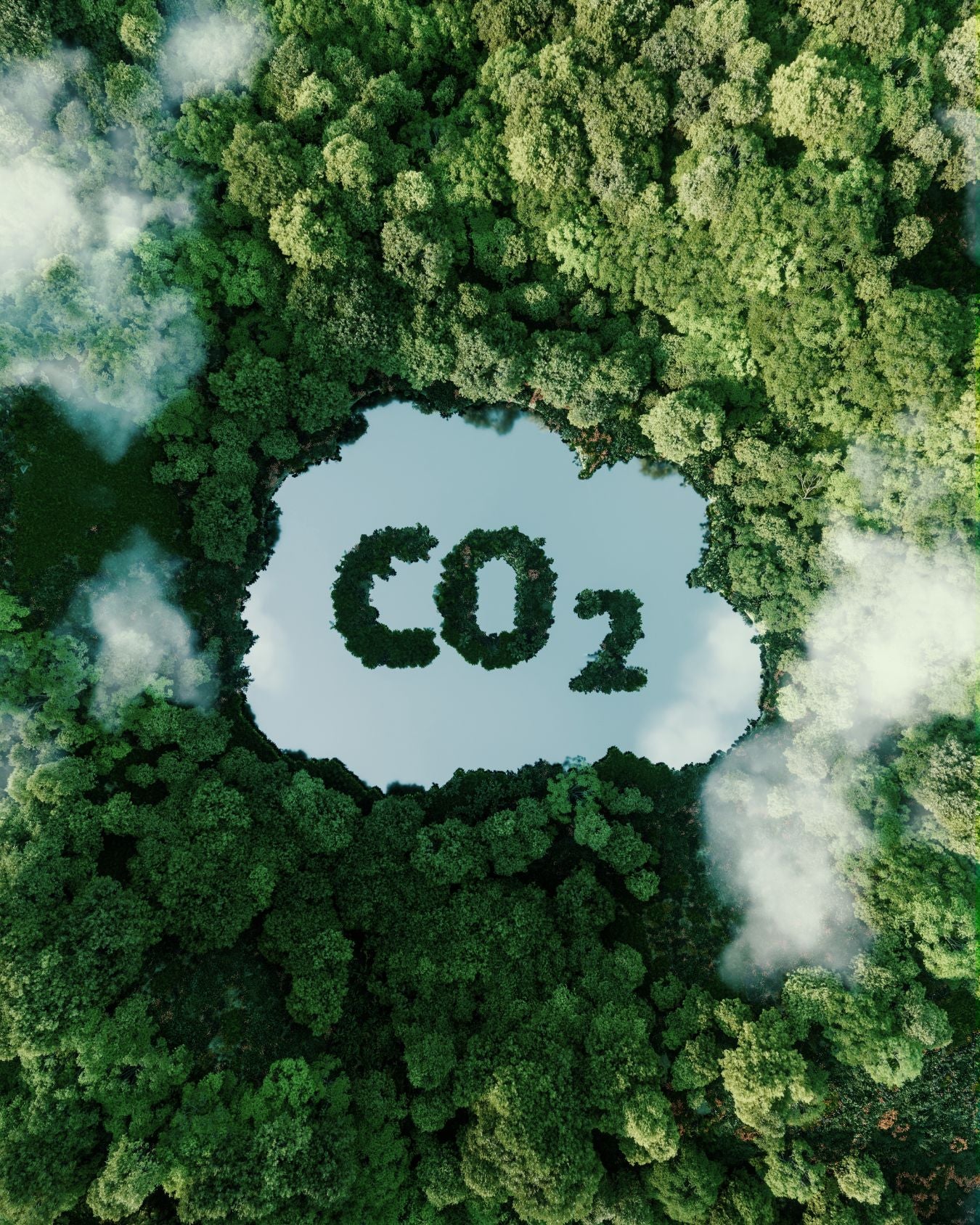
Reduce emissions
Our goal is to achieve net-zero by 2045, which means reducing 90% of our released emissions and permanently storing the remainder.
Where we stand
The gross CO₂ footprint system boundary 2024 amounted to: 1206.86 tons CO₂e
Our reduction targets according to SBTi
Our goal is to achieve net-zero by 2045, which means reducing 90% of our emissions and permanently storing the remainder.
We have aligned our reduction targets with the Science Based Targets initiative (SBTi) to embed the current scientific guidelines in our strategy. The SBTi was established in 2015 and is a collaboration between the Carbon Disclosure Project (CDP), the United Nations Global Compact (UNGC), the World Resources Institute (WRI), and the World Wide Fund for Nature (WWF). The SBTi reviews and validates companies' internal climate goals to ensure they are scientifically grounded and align with current climate science findings.
You can also find us here:
Companies taking action - Science Based Targets ↗
We close the raw material loop
Recycled materials
A large part of our emissions arises from the materials used in our products. Recycled materials can avoid a significant portion of the emissions typically generated by conventional materials. In the extraction of materials, emissions can be reduced by up to 80%! Additionally, recycling can significantly reduce the demand for fossil raw materials and minerals. At the same time, the amount of waste is significantly reduced.
We communicate the share of recycled materials in our products through the Global Recycled Standard (GRS). The strict requirements of the GRS extend across our entire supply chain. The standard covers all stages of the production chain - from the processing of old materials in recycling yards to the storage of finished end products in the distribution center. To obtain certification, strict environmental and social standards must be adhered to by both our suppliers and us. We have been a GRS-certified company since July 2023.
Find us in the official GRS directory ↗
Product labeling
To be maximally transparent, we will always indicate the proportion of recycled materials used in products. However, we will only label products with a GRS logo if they consist of more than 50% recycled materials.

Our packaging is on the right track
FSC-certified packaging
We do not use plastic in our packaging. This reduces the potential environmental impacts of improperly disposed waste. Additionally, paper is easier to recycle, which also reduces the downstream demand for new raw materials.
99% of the paper in our packaging is FSC-certified.
Our goal is to produce 100% of our packaging from paper in the future, thus transitioning from composite packaging to mono-material packaging. Goodbye plastic, glue, and magnets.
- ↘ Mono-material packaging made of paper is easier to recycle
- ↘ Lower environmental impact from plastic waste

No room for waste
We want to promote sustainable consumption not only through innovative products but also through sustainable packaging solutions.
Optimized packaging
We want to promote sustainable consumption not only through innovative products but also through sustainable packaging solutions. By forgoing unnecessary accessories, we can switch to smaller packaging.
Furthermore, we precisely adjust the sizes of our product packaging to the outer boxes. This allows us to maximize space and minimize the use of filler material.
Benefits of smaller packaging sizes
- ↘ Lower material footprint
- ↘ Lower CO2 emissions during transport
- ↘ Lower transport costs per product
Additionally, we precisely adjust the sizes of our product packaging to the outer boxes. This allows us to maximize space and minimize the use of filler material. 99% of the paper in our packaging is FSC certified, coming from a demonstrably responsible forestry.

On the way to saving CO₂E
Climate- and cost-efficient logistics
The further development of our logistical strategies is another key element in achieving our reduction targets. Air freight may be fast and enable dynamic order processing, but it causes significant greenhouse gas emissions and is expensive. Our goal is to increasingly rely on sea transport. This approach not only offers cost savings but also significantly reduces environmental impacts. This goal also requires proactive planning. Our service partners share our commitment to sustainability and pursue transparent strategies in this regard. This transparency ensures that our collaboration aligns not only with our short-term goals but also with our medium- and long-term sustainability objectives. Thanks to their detailed sustainability reporting, we can accurately track the real impact of our transports on the environment.
Moreover, we are currently reviewing the use of Sustainable Aviation Fuels for air transport. This is another step in our efforts to implement more environmentally friendly and sustainable practices throughout our entire logistics chain.
Contact
We are always open to feedback and suggestions.
If you have questions, criticism, or simply want to know more about our efforts, feel free to reach out to us!